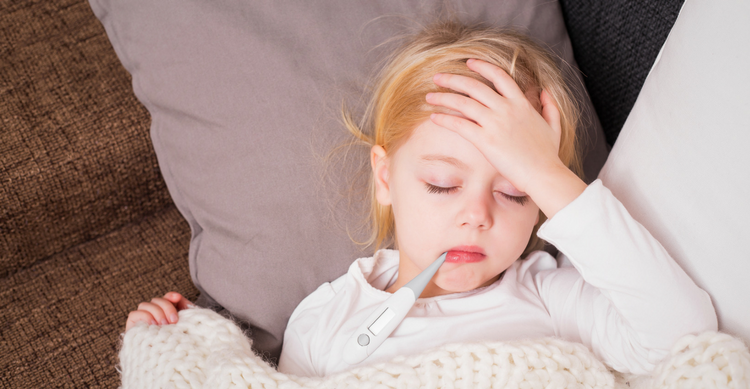
As the cold and flu season approaches, parents gear up to protect their little ones from seasonal illnesses that can bring discomfort and disrupt daily routines. While it may not be possible to completely shield children from every cold and flu virus, there are several proactive measures parents can take to reduce the risk and minimize the impact. By implementing practical strategies, maintaining good hygiene practices, and prioritizing your child’s health, you can help safeguard them from the perils of cold and flu season. Let’s explore some effective ways to protect your child during this challenging time.
Encourage Regular Handwashing
Hand hygiene is paramount in preventing the spread of cold and flu viruses. Teach your child to wash their hands frequently with soap and water for at least 20 seconds, particularly before meals, after using the restroom, and after being in public spaces. If soap and water are unavailable, use alcohol-based hand sanitizers with at least 60% alcohol content.
Teach Proper Coughing and Sneezing Etiquette
Help your child develop good respiratory etiquette by covering their mouth and nose with a tissue or their elbow when coughing or sneezing. Encourage them to dispose of used tissues immediately and to avoid touching their face afterward. Teach them to wash their hands or use hand sanitizer after coughing or sneezing.
Promote a Healthy Lifestyle
A strong immune system can better fight off infections. Encourage your child to maintain a healthy lifestyle by providing a balanced diet rich in fruits, vegetables, whole grains, and lean proteins. Ensure they get adequate sleep, engage in regular physical activity, and drink plenty of fluids to stay hydrated. A healthy lifestyle supports immune function and helps guard against illnesses.
Boost Immunity Through Nutrition
Certain foods contain immune-boosting properties that can support your child’s defense against cold and flu viruses. Include foods rich in vitamins A, C, D, and E, as well as zinc, probiotics, and omega-3 fatty acids in their diet. Examples include citrus fruits, berries, leafy greens, yogurt, nuts, and fish. Consult your child’s pediatrician for guidance on age-appropriate immune-boosting supplements if necessary.
Ensure Up-to-Date Vaccinations
Vaccinations are one of the most effective ways to protect your child from seasonal illnesses. Stay up to date with your child’s immunization schedule, including the flu vaccine. Annual flu vaccines are recommended for children aged six months and older. Consult with your child’s pediatrician to ensure they receive the recommended vaccines appropriate for their age.
Limit Exposure to Illness
Minimize your child’s exposure to individuals who are sick with cold or flu symptoms. Encourage them to maintain distance from people who are coughing or sneezing. If possible, avoid crowded places during peak flu seasons. Consider postponing non-essential outings or events where the risk of exposure may be higher.
Practice Regular Cleaning and Disinfection
Keep your home environment clean and hygienic. Regularly disinfect frequently-touched surfaces, such as doorknobs, light switches, toys, and countertops. Use disinfectants recommended for killing cold and flu viruses. Encourage your child to keep their personal belongings, such as backpacks and water bottles, clean and sanitized.
Stay Home When Sick
Teach your child the importance of staying home when they are feeling unwell. Keeping them home from school or daycare not only prevents the spread of illness to others but also allows them to rest and recover more effectively. Ensure they receive ample rest, fluids, and nourishing foods to aid their healing process.
Schedule an Appointment with a Pediatrician
While cold and flu season may bring its share of challenges, you will know what to do with these tips to protect your children. If a cold persists and your child is not getting better, or if you need the support of a pediatrician, contact COPA for trusted pediatrics in Bend, Oregon.
